Cal O’Callaghan

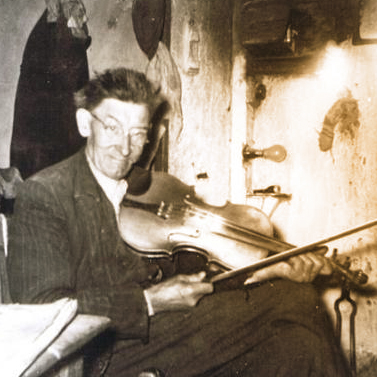
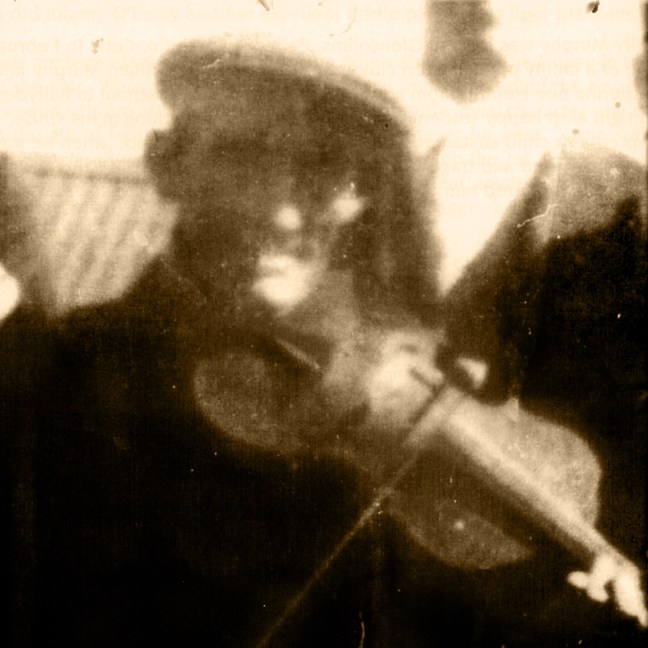
Callaghan O’Callaghan (b.1863, d.?) lived in Doonasleen (commonly called Doon), County Cork. He had been a pupil of Corney Drew, and was a highly-regarded fiddler who played for local house parties and dances. As a young man, Cal had emigrated to Ohio and lived there for about 20 years. It’s thought that when he returned sometime in the 1880s he may have brought some American fiddle style and repertoire with him, and that some of these made their way into the Sliabh Luachra tradition. The entire Callaghan family played music, including his sister, Margaret, who married John O’Keeffe in 1887 and soon had her first child, Pádraig O’Keeffe. When Pádraig was young, he was sent to stay with his Callaghan relatives in Doon, a common custom at the time known as “fosterage” (“altramas” in Irish). This was a formative period for Pádraig , surrounded by a loving and entertaining family, in contrast to his domineering father, in a house where dances and parties were frequent. It was there that he received his first musical tutelage from his aunts and uncles, particularly Cal. The many “Doon” and “Callaghan’s” tunes are a testament to his influence.

Learned from: Corney Drew

TaughtPadraig O’Keeffe

Callaghan household census 1911
The Callaghan household in the 1911 census

Some of the many Callaghan’s and Doon tunes.

Paul De Grae has written an interesting rumination on the influence Cal’s stay in Ohio may have had on the Sliabh Luachra tradition.

Din Tarrant

Denis “Din” Tarrant (1871-1957) was fiddle player (who made his living as a travelling carpenter) from Ballydesmond and a contemporary of Pádraig O’Keeffe and Tom Billy Murphy. It seems he got his music from Taidhgín an Asail (who was also Tom Billy’s teacher), but he may have had a few tunes directly from the great Corney Drew as well. He was Denis Doody’s maternal grandfather and namesake, and Denis used to say that one of his earliest memories was hearing Din and Pádraig playing together in the Tarrant home late into the night. Johnny O’Leary remembers Din, Pádraig, and Tom Billy playing together at Jack Keeffe’s Bar in Knocknagree.

Din Tarrant spent some time in London where he had a lasting influence. He was reported to have played at a number of Gaelic League events between 1898 and 1901. It’s quite possible he was responsible for introducing a number of Cork/Kerry polkas which became a part of the old London dancehall repertoire. Two nephews, Richie and Paddy Tarrant, were stalwarts of the vibrant London Irish scene in the 60s.

It’s a shame that Tarrant was never sought out by the tune collectors and radio broadcasters that brought fame to Pádraig O’Keeffe. No doubt his music had its own unique qualities that would have been illuminating were they to have been recorded. Sliabh Luachra scholar Paddy Jones believes strongly that Din Tarrant’s influence on the development of the Sliabh Luachra style has been greatly underestimated. Unlike his famous friends he was not a teacher, but was much sought after for playing for house dances and other events. He apparently specialized in polkas, and a number of tunes still bear his name for having been particular favorites.

Learned from: Corney Drew, Tadhgín an Asail
Played with: Pádraig O’Keeffe, Denis Murphy

Taidhgín an Asail

Tadgh Ó Buachalla (anglicized as Timothy Buckley) aka Tadhgín an Asail (little Tadgh of the donkey) aka Tadeen the Fiddler aka Tadeen the Cobbler was a travelling music master from Park, Knocknagree active in the latter half of the 19th century. He also lived at various times in Kiskeam and Scartaglin. It’s likely he got his music from Corney Drew, and he passed that tradition to his pupils, including Din Tarrant and Tom Billy Murphy. He made his living travelling the countryside on the back of a donkey (a noteworthy mode of transport even at that time) and mending shoes when he wasn’t teaching music. His pupil Tom Billy would later adapt the ABC notation he used (as well as the knack for donkey-riding) when he became a renowned teacher himself.

At least one slide is still commonly called Tadhgín an Asail’s, and the polka known as The Cobbler may refer to him as well.

Learned from: Corney Drew
Taught: Din Tarrant, Tom Billy

William Fitzgerald

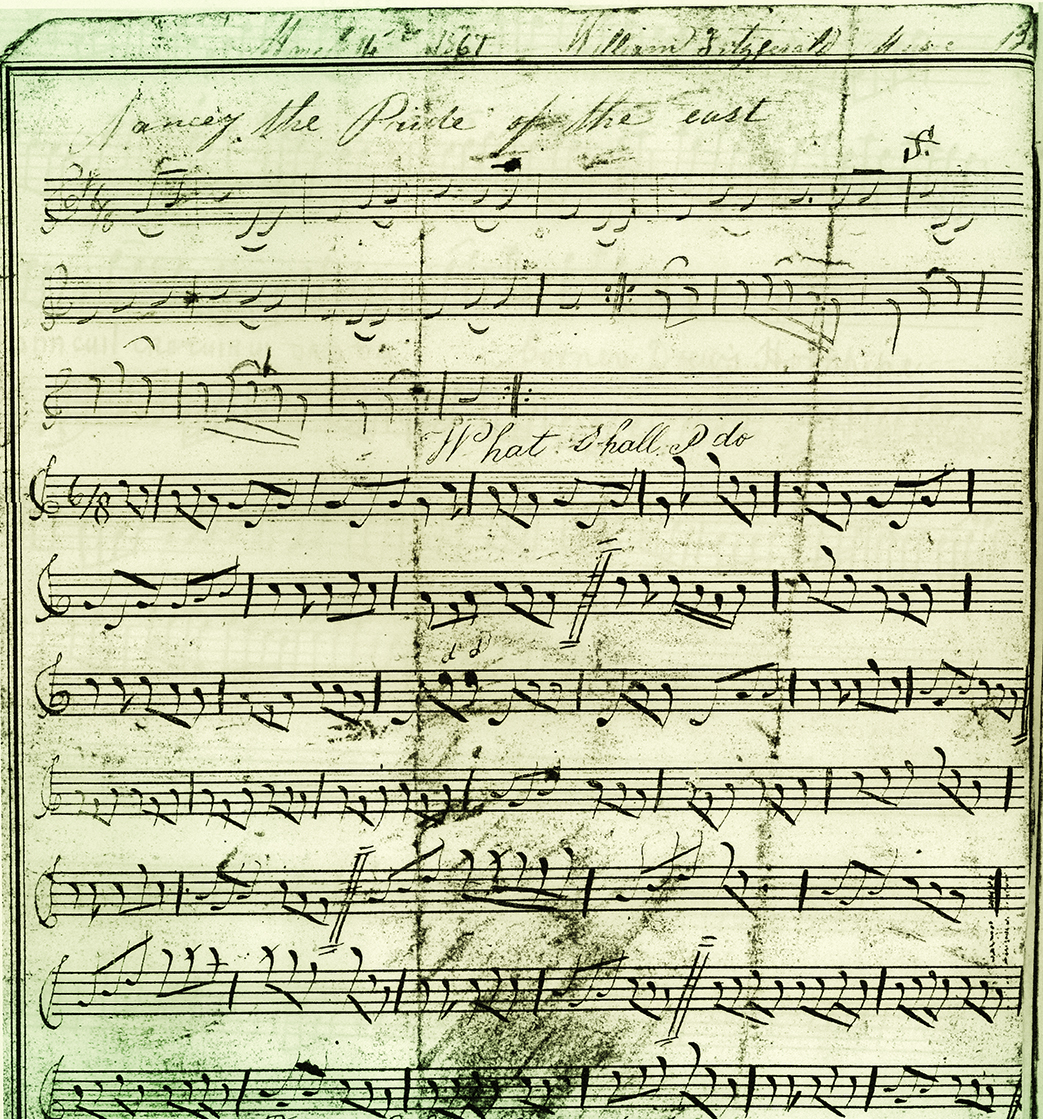
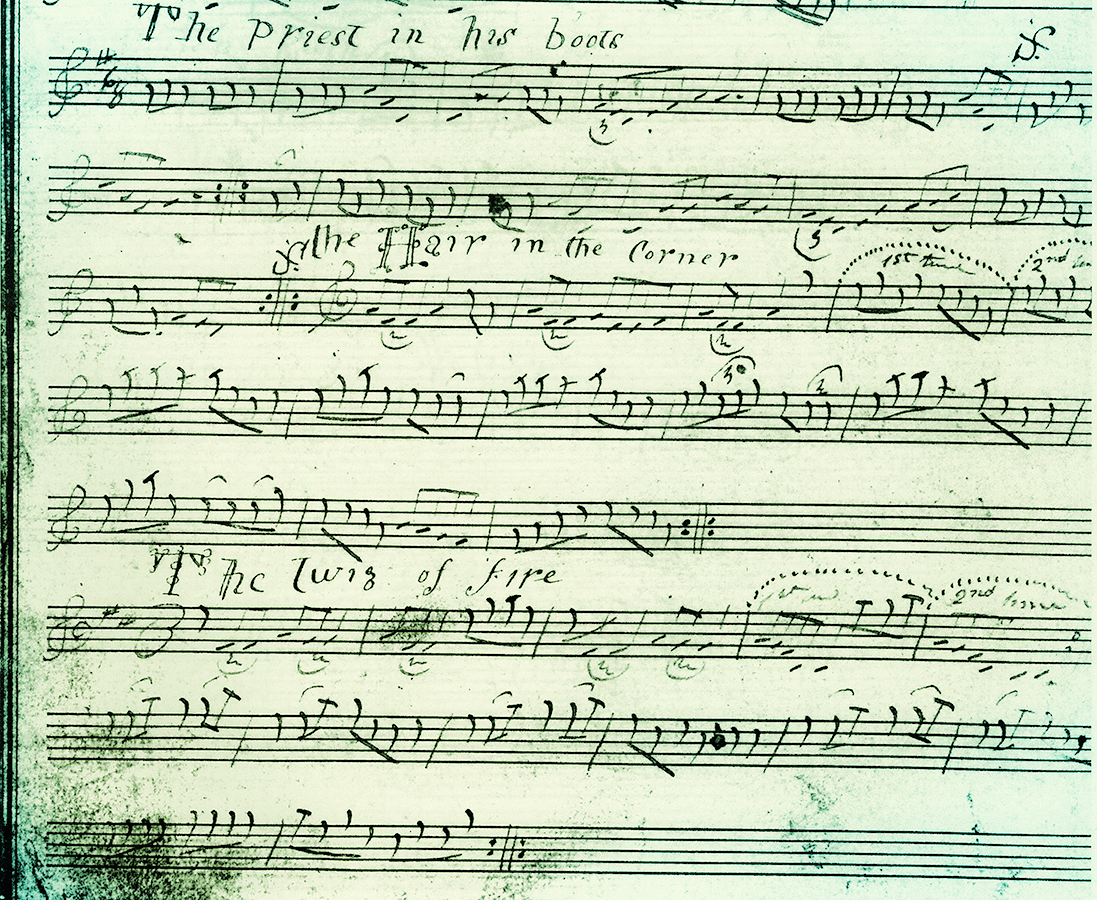
William Fitzgerald lived in the mid-19th century in the area around Ballydesmond–possibly Glenreagh or Lacka, but information on him is spotty. It seems he was a student of Corney Drew and became a travelling fiddle teacher himself. In 1866 he produced a manuscript of his repertoire which survives to this day. It was printed, in part, in Dan Herlihy’s Sliabh Luachra Music Masters, Vol. 2 (though misattributed to Corney Drew.) The Fitzgerald manuscript represents the repertoire and style of Sliabh Luachra before the craze for polkas and slides as we know them really took hold. It contains a great many waltzes, jigs, and reels, a few English tunes, and a number of polkas in a more “continental” style than what we would now identify as a Sliabh Luachra polka.

It has been said that Pádraig O’Keeffe “studied the music of Fitzgerald,” and by this we might take it to mean that he owned a copy of this manuscript and drew some tunes and settings from it.

Not long after the creation of the manuscript, it seems that Fitzgerald emigrated to America  (perhaps coincidentally, around the same time that Corney Drew himself emigrated) and what happened to him after that is not known.

The standard known as Fitzgerald’s Hornpipe (collected by Breandán Breathnach for the second volume of Ceol Rince na hÉireann from Molly Myers Murphy in 1967) is probably named after him.

Learned from: Corney Drew

Corney Drew

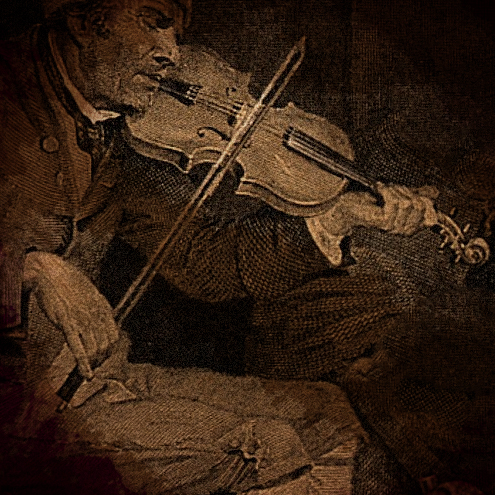
Cornelius Drew (1832 – ?) was an influential figure two generations before Tom Billy Murphy and Pádraig O’Keeffe. Most of what we know about him comes from second-hand memories of musicians who are now only memories themselves. As a young man he lived through the period of the Great Famine. It seems he was a tenant farmer in either Kiskeam or Dromulton–perhaps both, at different times in his life. He may or may not have been blind, or partially blind. He may have learned his music from the travelling fiddle and dance master known as Graddy. What we do know is that Drew was a highly respected music teacher and among his many pupils were such greats as the Callaghans of Doon, William Fitzgerald, John Linehan, and Tadgh Buckley. Considering the influence these pupils then had on their own pupils, a case can be made that Corney Drew was , to some degree, the progenitor of the Sliabh Luachra tradition as we know it.

The Drew family apparently emigrated to America sometime between 1885 and 1890, though whether this was before or after Corney’s death we do not know.

Learned from: Graddy

Taught: John Linehan, Tadhgín an Asail, William Fitzgerald, Din Tarrant, Cal and Margaret Callaghan

Corney Drew's hpipe.JPG
Corney Drew’s hornpipe in O’Neill’s 1001

Tom Billy Murphy

Tom Billy Murphy (1879-1944), was one of 17 children. He was struck down by polio at the age of 13 years, following which he lost his sight and had only limited use of one leg and one arm. Tom Billy’s family were quite well off and could afford to support Tom, who was unable to earn a living by conventional means. The family owned a big house at Glencollins Upper, Ballydesmond, and Tom lived there all his life, contrary to the belief in some circles that he was a permanent itinerant.

He became a celebrated fiddle (and whistle) player and occupied his time by teaching pupils around the district. He was a near contemporary (and sometime rival) of Pádraig O’Keeffe. Tom Billy himself learned much of his repertoire from a travelling blind fiddle player named Taidhgin an Asail (aka Tadhg O Buachalla or Tadeen the Fiddler). Following Taidghin’s example, when making his rounds his form of transport was a saddled donkey, already unusual by this period, and he could rely on the animal to reach the destination after it had been shown the way a couple of times. Tom also had a keen sense of hearing and smell and it’s said he could identify people at long distances by their footsteps, or houses along the road by the smell of the smoke from their chimneys. He seems to have ranged quite widely as, for instance, he taught Maurice Leane of Annagh near Castleisland and Dan Leary of Kilcummin near Kilarney. Unable to write music he called out the notes by name and got the pupil to write them down. No recordings exist of his playing, but on the evidence of his pupils’ performances, it seems that he did not go in for a great deal of ornamentation most of the time and valued a strong rhythm and sweetness of tone. Through his breadth of distinct repertoire and facility for teaching, Tom Billy’s legacy is still with us today, and he is regarded as one of the very greats of Sliabh Luachra music.

Learned from: Taidhgin an Asail

TaughtDan O’Leary“Lighthouse” Jack Connell, Johnny Mickey BarryMolly Myers Murphy, Maurice Leane, Pete Bradley, Johnny (fiddle) O’Leary, Denis O’Keeffe, Art O’Keeffe, (possibly) Danny Ab O’Keeffe

Played with: Pádraig O’Keeffe, Din Tarrant

A few of the many tunes associated with Tom Billy

Julia Clifford

Julia Clifford (June 19, 1914 – June 18, 1997) was born at Lisheen, Gneeveguilla, County Kerry, one of eight Murphy children. Her father Bill played flute, fife, and fiddle and had a fife and drum band. At a young age she picked up the fiddle and showed much promise, and she was sent to be taught by Pádraig O’Keeffe. Perhaps because she learned from him very early on in her development, she is thought to have absorbed and assimilated Pádraig’s style more than any of his pupils. Julia emigrated to Scotland and then London and in 1941 married accordion player John Clifford, also from Sliabh Luachra. Over the years they traveled back and forth between London and Ireland. She recorded extensively in many combinations with her husband, her son Billy, and with her brother Denis. Though she is often overshadowed by Denis’ reputation and more flashy style, she was a true torchbearer of the O’Keeffe style, as well as having her own unique take on the music, and she is rightly considered one of the greats of this music.

Learned from: Pádraig O’Keeffe

Taught: Billy Clifford

Played with: Denis Murphy, Johnny O’Leary, John Clifford

Recordings:

Denis Murphy and Julia Clifford star above the garter 300  Julia and Billy Clifford Ceol as Sliabh Luachra 300  Julia and John Clifford The Humours of Lisheen 300  The Star of Munster Trio 300 Kerry Fiddles 300

More resources:

Snippets of field recordings

In her own words

Alan Ward’s pamphlet about Sliabh Luachra music, with a section on The Waivers and Cliffords

In 2019, Katie Howson organized an incredible, once-in-a-lifetime event honoring Julia’s music, called As I Looked East and I Looked West”. Lot’s of interesting material here: https://katiehowson.co.uk/i-looked-east-and-i-looked-west and on the Facebook page.

One of the great things to come out of that event was this website hosting a huge treasure trove of intimate and informal recordings of Julia playing through her repertoire for the purpose of teaching tunes. You could spend a loooong time here: https://www.juliaclifford.eu/

Denis Murphy

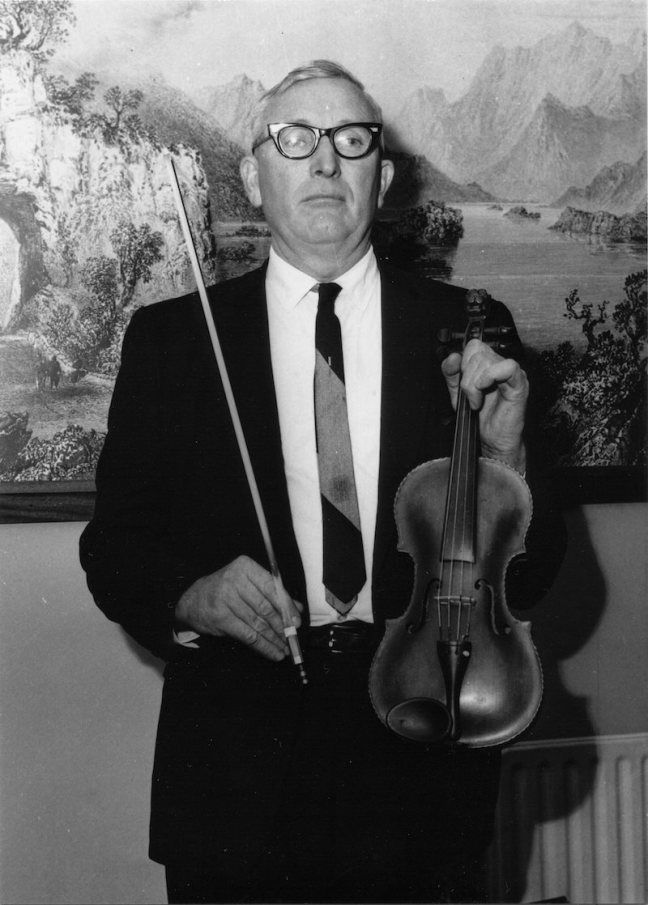
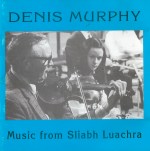
Denis Murphy (November 14, 1910 – April 7, 1974) was born in Lisheen, Gneeveguilla, County Kerry one of eight children of Bill and Mainie (née Corbett) Murphy. The family were known locally as the “Waivers” (to distinguish them from the many other Murphy clans in the area) because in previous generations they had been weavers of flax linen. His father Bill played fife, flute and fiddle and had a fife and drum band, and it’s likely that Denis got much of his early music from his father. Later, he and his sister Julia Clifford were taught fiddle by Pádraig O’Keeffe. Denis emigrated to the United States but returned often to Ireland and returned permanently to Lisheen in 1965. He struck up a musical partnership with box player Johnny O’Leary which lasted for many years until his death. Denis was recorded extensively for the radio and commercial recordings, and his driving, frictionless style has been hugely influential

 Learned from: Bill “The Weaver” Murphy, Pádraig O’Keeffe

 Played with: Julia Clifford, Johnny O’Leary

 Recordings:

Denis Murphy and Julia Clifford star above the garter 300  Denis Murphy Music from Sliabh Luachra 300  Kerry Fiddles 300

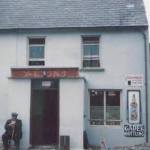
Lyons' Bar 1961 300

More resources:

Snippets of field recordings

Alan Ward’s overview of Sliabh Luachra music, with an extensive section on The Waivers

A New and Exciting Resource:
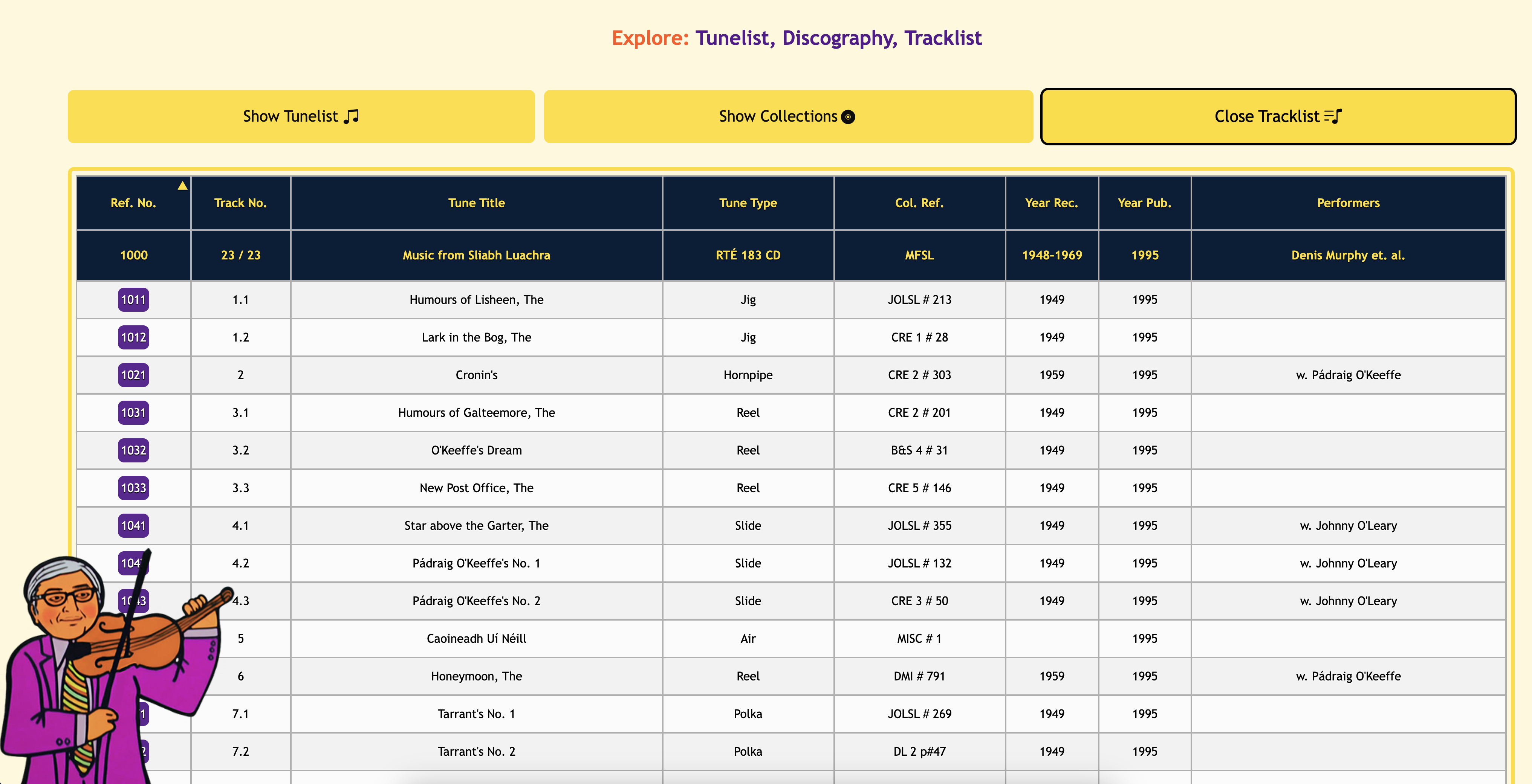
ProjectDenis

ProjectDenis

ProjectDenis is the brainchild of Anton Zille, who was inspired to to catalogue the wealth of Denis Murphy’s wonderful music scattered across the archives, the attics, the largely out-of-print albums and the web in one easy-to-search app. He says: “There are 700-ish items in this work-in-progress database right now, including albums, tapes, 78s, individual tracks and unique tunes, and the more research I do, the more I’m convinced that I’m only just scratching the surface! With so much unexplored material out there, one can be sure they’ll find some gems waiting to be discovered, played and shared – and my app is meant to be a reference map in that search.”